Festivals

Diwali

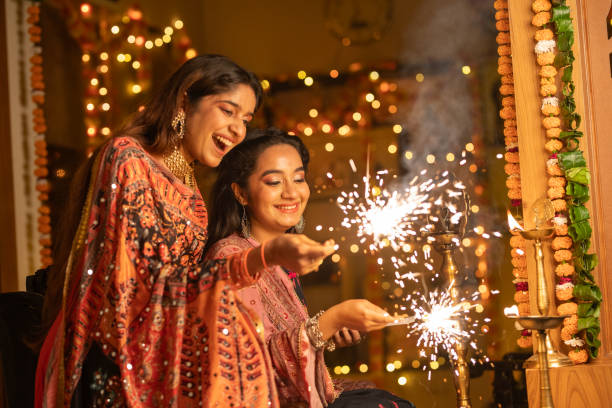
Diwali, also known as the Festival of Lights, is one of the most widely celebrated Hindu festivals in India and across the world. It symbolizes the victory of light over darkness, knowledge over ignorance, and good over evil. The festival usually spans five days, with each day having its own significance, including Dhanteras, Naraka Chaturdashi (Choti Diwali), Lakshmi Puja, Govardhan Puja, and Bhai Dooj. During Diwali, homes and public spaces are decorated with earthen lamps (diyas), candles, and colorful rangoli, while people burst fireworks to celebrate joyously. Families perform Lakshmi Puja to honor the goddess of wealth and prosperity and exchange sweets and gifts with friends and relatives. Diwali is also a time for renewal, cleaning and decorating homes, and dressing in new clothes. Beyond its religious significance, Diwali represents harmony, togetherness, and the spreading of happiness and positivity, making it one of the most cherished festivals in India.
Diwali Read More »

Ugadi

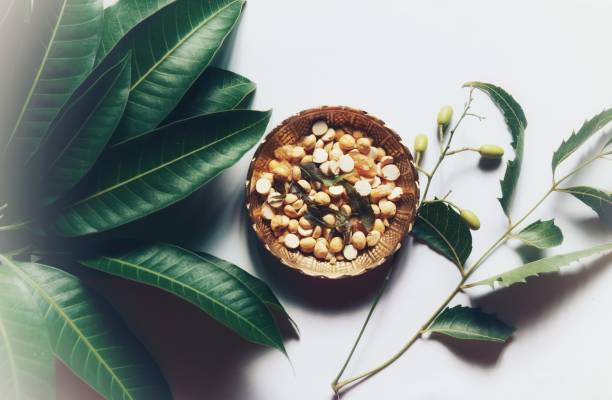
Ugadi is the traditional New Year festival celebrated in Andhra Pradesh, Telangana, and Karnataka, marking the beginning of the Hindu lunisolar calendar. The festival usually falls in March or April, symbolizing new beginnings, prosperity, and hope. On Ugadi, people clean and decorate their homes with mango leaves and rangoli (muggulu), wear new clothes, and offer prayers to Lord Brahma, the creator, seeking blessings for health, wealth, and happiness. A special preparation called Ugadi Pachadi — a unique mixture of six tastes (sweet, sour, salty, bitter, pungent, and astringent) — is made from jaggery, neem flowers, tamarind, salt, green chili, and raw mango, representing the different experiences of life. Families gather to perform rituals, read Panchangam (almanac) predictions for the new year, and celebrate with music, dance, and festive meals. Ugadi embodies renewal, optimism, and the cultural richness of South India, reminding everyone to embrace life with joy and positivity.

Ugadi Read More »

Dussehra

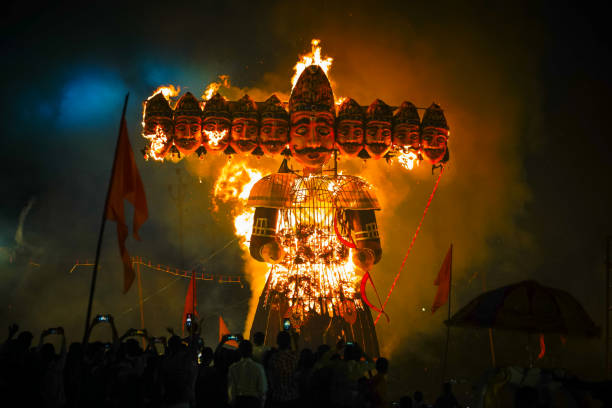
Dussehra, also known as Vijayadashami, is one of the most significant Hindu festivals celebrated across India, marking the victory of good over evil. The festival falls on the tenth day of the Navaratri festival and commemorates Lord Rama’s victory over the demon king Ravana, symbolizing the triumph of righteousness. In many parts of India, Dussehra is also associated with the goddess Durga’s victory over the buffalo demon Mahishasura, representing the power of feminine strength. The celebrations vary regionally — in North India, dramatic enactments of the Ramayana called Ramlila are performed, culminating in the burning of huge effigies of Ravana, Kumbhakarna, and Meghnath, symbolizing the destruction of evil. In South India, people celebrate with processions, worship rituals, and cultural performances. Homes and public spaces are often decorated with lights and flowers, while devotees offer prayers and share festive meals. Dussehra is not only a religious festival but also a cultural celebration that emphasizes morality, courage, devotion, and the ultimate victory of virtue over vice.

Dussehra Read More »

Pongal

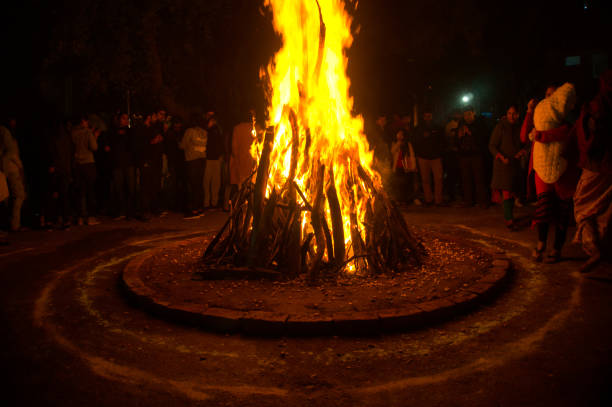
Pongal is a vibrant and joyous harvest festival celebrated mainly in South India, especially in Tamil Nadu and parts of Andhra Pradesh, as a mark of gratitude to nature and the Sun God for a bountiful harvest. The festival spans four days — Bhogi, which celebrates new beginnings by discarding old items; Thai Pongal, the main day dedicated to cooking the special Pongal dish; Mattu Pongal, which honors cattle for their contribution to farming; and Kanum Pongal, a day for family reunions and social gatherings. During Pongal, homes are decorated with colorful rangoli (muggulu), sugarcane, turmeric, and flowers, while people wear new traditional clothes. The special dish “Pongal”, made from freshly harvested rice, milk, and jaggery, is cooked in clay pots and offered to the Sun God before being shared among family and friends. Festivities include singing, dancing, bull-taming events like Jallikattu, and various cultural programs, reflecting the region’s rich traditions. Pongal is more than a harvest festival; it is a celebration of gratitude, prosperity, community bonding, and the harmony between humans and nature.

Pongal Read More »